
Publications and Convivence
This section brings together a bibliography intended to be as comprehensive as possible on the theme of Convivence.
Convivence is a recent subject of reflection. Its development in artistic, philosophical, scientific and technical literature is only just beginning to emerge. In Spanish, the word has been used for several centuries, but in French it has only been defined by the French Academy since 2004. In English, it is still not included in dictionaries, and purists translate it as social pluralism, though it is beginning to appear in some publications.
Convivence today goes beyond interreligious and intercultural dialogue. It is a cross-cutting theme linked to the social and cultural dimensions of climate change, the social responsibility of companies and organisations, territorial planning, inclusion, and solidarity among peoples and nations.
There are already fine texts here, such as those by Alem Surre Garcia, Jacques Couture and Ghislaine Alajouanine.
We will publish writings, articles, chronicles, books, speeches, and technical or scientific papers on convivence, following their acceptance by the Reading Committee of the Córdoba Forum, World Convivence Forum.

CONVIVENCE
Alem Surre Garcia
It was the Spanish historian Américo Castro who coined the concept of convivence in 1954 to describe the period of the Caliphate of Córdoba during which three different religious traditions (Islam, Judaism and Christianity), several peoples and several languages coexisted more or less harmoniously —for the first time in the West.
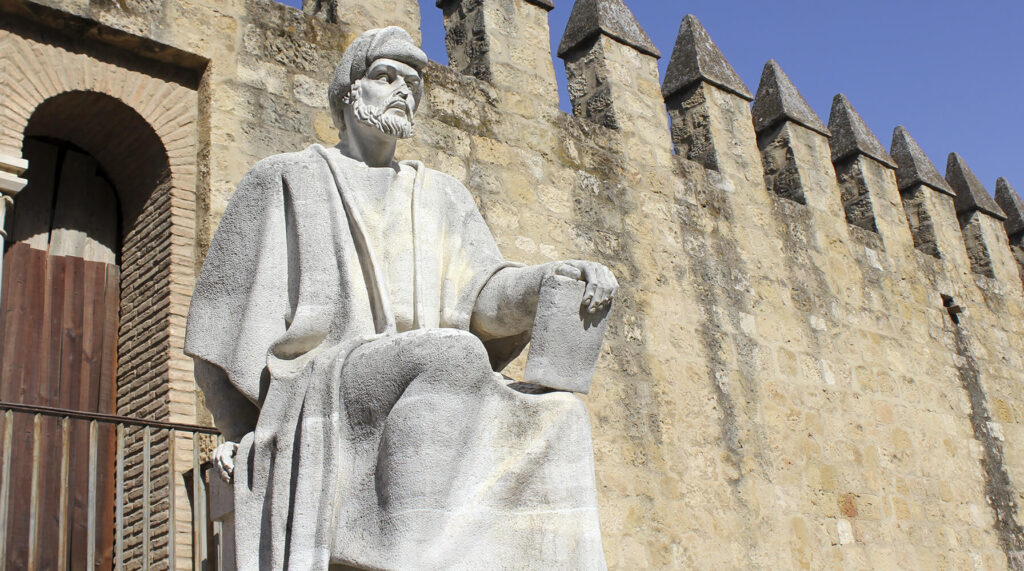
THE CÓRDOBA PARADIGM OR INTERCULTURAL LEARNING
Ramin Jahanbegloo
Events in the Middle East have triggered an at times unpleasant debate about Muslim societies and democracy. Some Western commentators argue that the two —Muslim society and democracy— are not compatible.

SOLIDARITY OF DIFFERENCES
Ramin Jahanbegloo
Albert Camus, French writer and philosopher, said in a famous talk to the Dominicans in Paris that “dialogue is only possible between people who remain what they are and who speak the truth. Dialogue is meaningless if there is no truth. The only basis on which I can build communion with believers of other confessions is the shared search for truth.”

A LONG-STANDING CONVIVENCE
Annual public meeting of the Five Academies
One Thursday last spring, the institution I have the pleasure of representing this autumn added a new word to its dictionary: “convivence”. Several organisations had been calling for it for years. A letter drafted by the association Pro Europae Unitate used this neologism for the first time.

NATIONAL YOUTH POLICIES
A working document representing the views of youth organisations engaged in “non-formal education”.
For an autonomous, supportive, responsible, and committed youth.
READINGS
Recommended books
No posts
support the foRUM
Collaborate with us
The Cordoba Forum is an independent, non-profit initiative. Your support helps us continue promoting spaces for dialogue and convivence.


