
Culture and Convivence
This section contains poems, verses and short musical pieces dedicated to Convivence and respect for others.
“May I be forgiven for concluding this moment devoted to harmony with the emotion that overwhelms us when the hope of living together has been lost.”
Florence Delay
(1941-2025)
Member of the Académie française and corresponding member of the Real Academia Española.
Poetry and music are the leaven of convivence; art, its seeds. Artists are the cultivators of convivence, on a land wounded by climate change, the loss of biodiversity, pandemics and conflicts. The II Córdoba Forum will give them special attention. The platform seeks to welcome those who will dedicate books, poems and musical pieces to convivence.
Plans include the creation of a jury and a prize for this purpose, in collaboration with poetry and cultural associations.
CÓRDOBA FORUM
Poetry and convivence
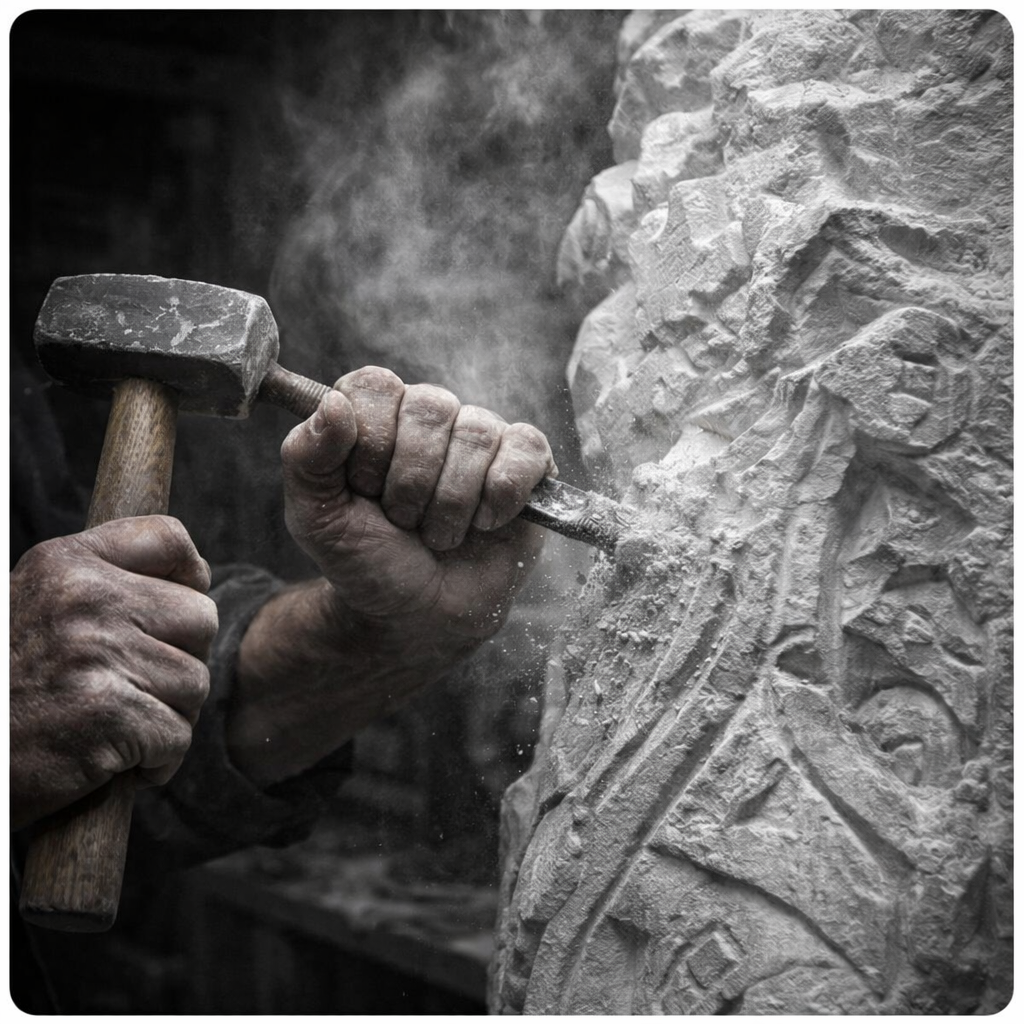
Each 21 March, World Poetry Day is celebrated. Established in 1999 by the United Nations, this Day offers UNESCO an opportunity to recall that poetry exists in every culture throughout human history, and that reading, writing and teaching poetry foster a cultural dialogue with dance, dramatic arts and painting. Through the art of suggestion, through its density, poetry brings us closer to convivence.
In 2023, UNESCO Director-General Audrey Azoulay declared that “poetry has the power to remind us all of the resilience of the human spirit” and underscored its creative power. It is above all a powerful ally for understanding among peoples: “a catalyst for peace and dialogue”. We will add a central pillar: convivence.
Today, more than ever, poetry must return to nature, to a land wounded by biodiversity loss and global warming. Poets have long reminded us of this: the Japanese haiku, for example, was traditionally expected to include a kigo, a reference to nature or a key word relating to one of the four seasons.
We would be delighted to invite poets, writers and lovers of poetry from around the world, through our platform and blog, to tell in verse how Convivence takes shape in their communities, their territories and their history…

CÓRDOBA FORUM
Art and convivence
Art has always been one of the most tangible expressions of convivence. Long before formal discourse, living together found expression through hands, materials and shared know-how. In Córdoba, this heritage can be seen in craftsmanship, jewellery and painting, the fruit of centuries of Mediterranean encounters.
Craftsmanship represents an everyday art deeply linked to convivence. Ceramics, metalwork and textiles reflect the transmission of techniques among Muslim, Jewish and Christian communities. Leatherwork holds a special place: Cordovan, known throughout Europe, and Guadamecí, painted and gilded leather, are emblematic examples of how craftsmanship became a common language. Workshops were places of learning, encounter, and the transmission of knowledge.
Jewellery also expresses this Mediterranean dialogue. Filigree, enamels, geometries and precious stones reveal a shared aesthetic that contemporary creation continues to reinterpret, drawing on local identity.
Painting and the visual arts play an essential role today in convivence. Exhibitions and collective presentations create spaces for silent dialogue, where different perspectives coexist without seeking to dominate one another.
Even gastronomy forms part of this cultural heritage. Dishes such as salmorejo, simple yet deeply rooted in Córdoba, express a culture of hospitality and convivence.
Within the Córdoba Forum, World Convivence Forum, art and craftsmanship are understood as living tools of Mediterranean convivence, capable of bringing together memory, creativity and a shared future.
CÓRDOBA FORUM
Music and convivence
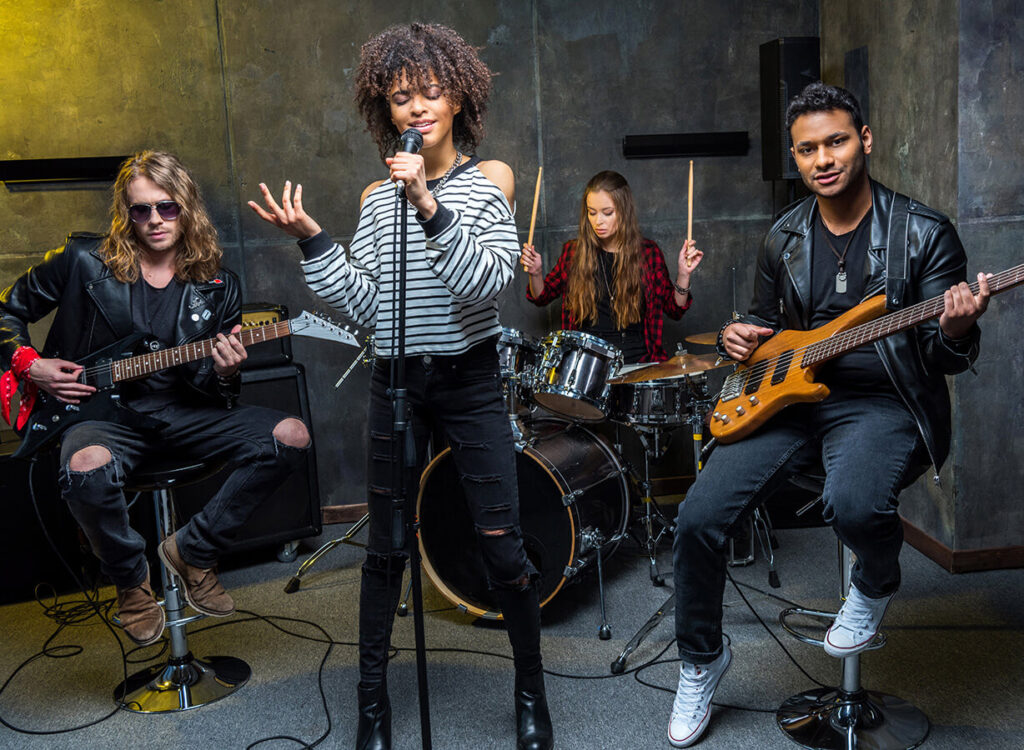
Music and convivence are closely linked. The gifts of music are countless: it helps relieve stress and thus benefits health; it lifts the spirit, strengthens interculturality and education in human values. One of the best examples is the West-Eastern Divan Orchestra, created in 1999 by Daniel Barenboim and Edward Said to offer a space of encounter between Arabs and Israelis. Another is the Spanish project El Ensayadero, by Ayuda en Acción, a social integration initiative for children and young people from different backgrounds and cultures through musical practice.
From Plato and Aristotle, from the West to the Far East, there are many good practices that reinforce the benefits that music brings to convivence: helping to shape character, encouraging peace and peaceful behaviour, developing emotional intelligence, and promoting sociability, tolerance, empathy and teamwork. Music also creates social bonds, and strengthens respect and self-esteem.
This section of the Córdoba Forum, World Convivence Forum platform, is dedicated to music as a vehicle for transmitting values, featuring musicians who support convivence, as well as messages and content on music in connection with that spirit. We will also encourage mixed and intercultural choirs, as well as musical groups that seek to contribute to the goals of convivence.
Everyone can share ideas with us through comments, links, project presentations or by contacting us.
CÓRDOBA FORUM
Convivence Paths
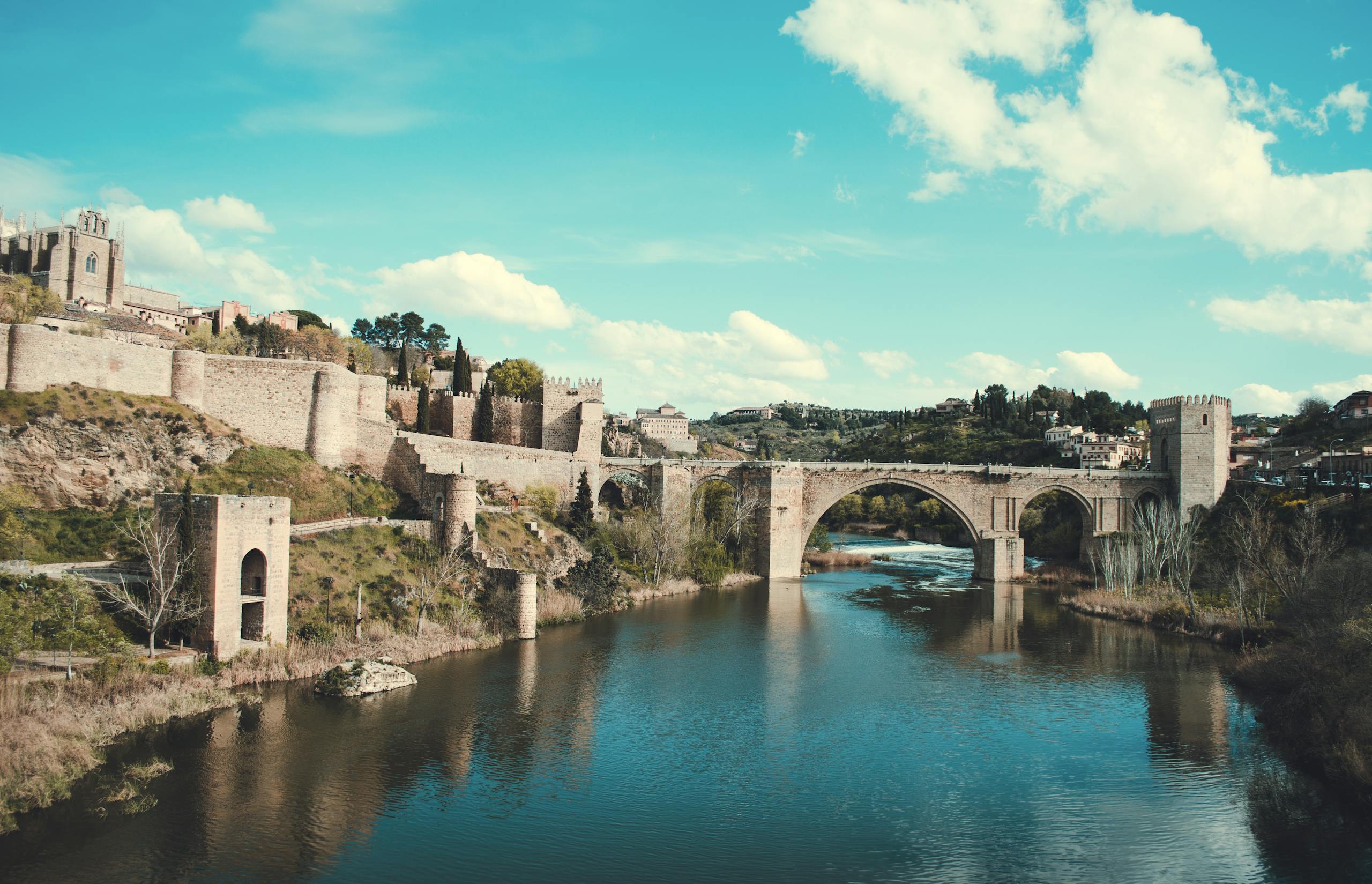
Convivence Paths are conceived as itineraries of encounter, memory and shared experience. They draw inspiration from the historic Ways of Saint James, in particular the Mozarabic Ways, which linked al-Andalus to the Christian kingdoms of the north, as well as to the routes leading to Santiago de Compostela.
For centuries, these routes were travelled not only by religious pilgrims, but also by merchants, travellers and bearers of knowledge. Mozarabic Christians, Muslims, Jews and European pilgrims shared roads, inns and markets, creating networks of exchange long before modern Europe.
Today, Convivence Paths reinterpret this heritage from a contemporary perspective. Pilgrimage is understood as a spiritual and civic journey, grounded in slowness, listening and hospitality. Walking together allows differences to coexist without confrontation and opens spaces for reflection on solidarity and care for the land.
This vision resonates with that of the Abraham Path, an international initiative launched by William Ury (Harvard University), which follows the routes attributed to Abraham in the Middle East. The Abraham Path shows how historic routes can today become instruments of dialogue, peacebuilding and local development, and serves as an essential reference for Convivence Paths.
Córdoba holds a central place as the symbolic starting point of the Mozarabic Way, linking the Mediterranean to the Atlantic horizon of Santiago de Compostela. Within the Córdoba Forum, World Convivence Forum, these paths are conceived as living itineraries that transform heritage into a shared experience of convivence and a shared future.
Amin Chaachoo, troubadour of Andalusian convivence
Amin Chaachoo, a musician, musicologist and researcher from Tetouan, has received numerous honours and distinctions in Morocco and Spain. In 2019, the CIHAR (Hispano-Arab Intercultural Circle) awarded him its Gold Medal for his contribution to culture, interculturality, peaceful convivence and cultural diversity in the service of dialogue and social development —in other words, for Convivence.
His training brings together traditional transmission under great masters of Andalusian music and a solid academic trajectory, crowned by studies in ethnomusicology and a doctorate devoted to the aesthetics, philosophy and metaphysics of the music of al-Andalus. Founder of initiatives such as the al-Haiek Association, the Tetouan-Asmir Club, the Founoun Conservatory and the Andalusian Orchestra of Málaga, he has played a decisive role in the research, teaching and preservation of Andalusian musical heritage.
Principal solo violinist of the National Conservatory of Music and Dance Orchestra of Tetouan, and member of several ensembles specialising in Arab, medieval, Sephardic and flamenco music, one must hear him play and sing to better understand the music of Spain, its traditions and the essence of medieval music, so present in the Andalusian musical universe. His path embodies in exemplary fashion the spirit of Andalusian convivence.
support the foRUM
Collaborate with us
The Cordoba Forum is an independent, non-profit initiative. Your support helps us continue promoting spaces for dialogue and convivence.


