
When Words Are Prevented
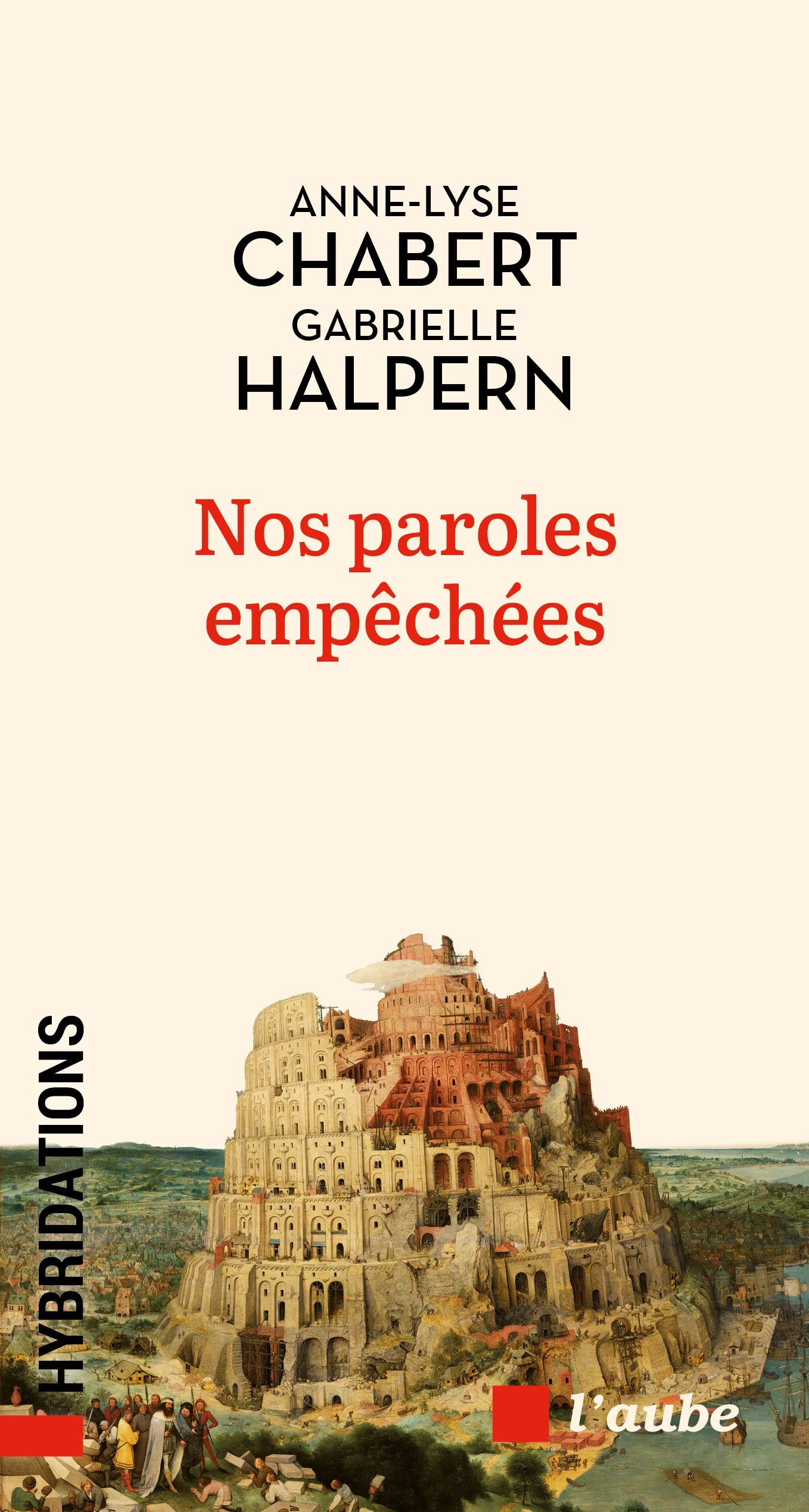
In Nos Paroles Empêchées (Éditions de l’Aube, 2026), Anne-Lyse Chabert explores an often invisible reality: that of those for whom speaking or being heard is not easy. Babies, young children, elderly people with neurological disorders, or people with disabilities… but also any of us, at certain moments in life.
The ability to speak is never fully acquired. Translating one’s thoughts, finding the right words, listening to others beyond an unfamiliar pronunciation or a different level of language: every human interaction is a fragile work of adjustment. When speech is hindered, rejected or ignored, dialogue can quickly give way to misunderstanding, or even conflict.
Continuing the reflection published in the journal Approches Coopératives on convivence, in the article «Convivence and disability: a radical otherness to be transformed?», the author reflects on the profoundly human dimension of language. The other then becomes both a mirror of our humanity and an opening onto singular worlds.
This reflection fully echoes the spirit of Convivence, which invites us to create spaces where everyone can find their place, be heard and contribute to collective life. When speech is prevented, solidarity and mutual attention become essential so that human bonds may continue to be woven.
But what happens when speech can no longer circulate? How can one exist, share one’s ideas or defend one’s place in the world? Anne-Lyse Chabert invites us to look differently at these situations of constraint. For behind the limits of language there may lie a treasure: other forms of attention, listening and relationship.


